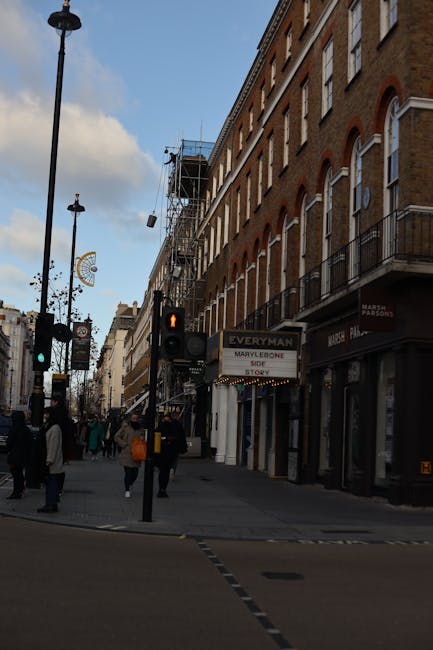
Leasehold move-in notices and restrictions in Marylebone: a practical guide for a smoother flat move
Moving into a leasehold flat in Marylebone sounds simple on paper. In reality, the building's rules, the managing agent's paperwork, and the move-day logistics can turn a straightforward relocation into a bit of a headache. Leasehold move-in notices and restrictions in Marylebone matter because they affect when you can move, how you can access the building, what protection the common parts need, and whether your removal team can actually complete the job without delays. If you have ever stood in a narrow townhouse hallway with a trolley, a sofa, and a porter asking for one more form, you will know the feeling.
This guide breaks the process down in plain English. You will learn what move-in notices are, why restrictions exist, how Marylebone leasehold buildings usually handle arrivals, and what to do before move day so you are not the person apologising to the concierge at 8:05am. It also covers the best ways to coordinate with your removal team, avoid common mistakes, and keep everything civil, compliant, and calm. Let's face it, a well-run move is usually the one nobody notices.
Why Leasehold move-in notices and restrictions in Marylebone Matter
Marylebone has a lot of leasehold flats, mansion blocks, converted terraces, and well-managed developments. That is part of the charm. It is also why move-in rules tend to be taken seriously. A leasehold building is shared space, so your move affects hallways, lifts, stairwells, loading bays, neighbouring flats, and sometimes even local street access. In a busy central London area, one poorly timed arrival can create knock-on disruption pretty quickly.
Move-in notices exist so the freeholder, managing agent, or building manager can plan the move around building operations. They may want to reserve the lift, protect floors, notify the porter, or make sure your chosen time does not clash with other works. Restrictions exist for the same reason: to reduce noise, prevent damage, and keep everyone safe. Some of them are strict, some are more flexible, and a few are the sort that seem trivial until you hit them on moving day.
In practical terms, these rules protect three things:
- The building - lifts, walls, entranceways, carpets, and communal areas need guarding against scuffs and breakages.
- The neighbours - no one wants repeated banging, blocked corridors, or a delivery van parked across the access route.
- Your schedule - if you miss the notice deadline or ignore move windows, the move can be delayed, or even refused for the day.
If you are arranging a flat removal or even just a smaller move with a man and van service, the building's requirements may matter just as much as the size of the load. To be fair, that is often the part people underestimate.
How Leasehold move-in notices and restrictions in Marylebone Works
Although every building is different, the process usually follows a familiar pattern. You find out the move-in requirements, submit the notice, wait for approval or confirmation, and then follow the building's move-day conditions. Sounds neat. In real life, there is often one extra email, one missed attachment, and one slightly stressed reply from an agent. Still, the structure is predictable once you know what to look for.
A leasehold move-in notice is usually a written notification sent to the managing agent, concierge, or landlord-side representative. It can request permission, reserve a lift, confirm your move date, and provide details about the removal company. Depending on the block, you might need to include the names of the movers, vehicle registration, estimated arrival time, and proof of insurance. Some buildings are happy with advance notice; others want a full pack before they will confirm access.
Common restrictions in Marylebone leasehold properties often include:
- specified weekday or weekday-only move windows
- no Sunday or bank holiday moves
- lift booking requirements
- loading bay or kerbside timing rules
- mandatory floor protection and corner guards
- minimum insurance requirements for movers
- advance notice periods for large items or bulky furniture
- limits on noise, particularly early morning or late evening
Some buildings also ask for deposits or damage bonds, especially if the move is likely to involve tight corridors, shared lifts, or expensive finishes. Others simply need notice and a completed form. There is no single Marylebone rulebook, which is why reading the lease pack or move-in instructions carefully matters so much. If you are not sure whether your move is straightforward, it often helps to speak with experienced removal companies that already understand central London building procedures.
Key Benefits and Practical Advantages
It might feel like bureaucracy for bureaucracy's sake, but good move-in admin has real advantages. When the notice is done properly and the restrictions are understood in advance, the whole move tends to run more quietly, quickly, and safely. That is worth a lot when you are balancing keys, boxes, and building access at the same time.
Here is the practical upside:
- Fewer delays - no last-minute scrambling because the lift was not booked or the porter was expecting another time slot.
- Better protection of your deposit and the building - fewer accidental marks, scrapes, or complaints.
- Lower stress - once the access plan is agreed, you can focus on packing, keys, and utilities.
- Clearer communication - everyone knows who is arriving, when, and through which entrance.
- Safer handling of bulky items - especially useful for awkward furniture, pianos, or fragile pieces.
If your move includes large furniture, it is worth considering specialist help such as furniture removals or piano removals where needed. These services can reduce the chance of damage and help you comply with building rules that are stricter about heavy items. A porter once told me, quite bluntly, "The building can handle a move. It just cannot handle surprise moves." Fair enough.
Another major advantage is smoother coordination with your landlord or managing agent. In Marylebone, where many blocks are tightly run and shared spaces are carefully maintained, a clear move notice can make you look organised and considerate. That is never a bad thing. It buys goodwill, and goodwill matters when a lift needs to be held for five extra minutes.
Who This Is For and When It Makes Sense
This topic is not just for first-time buyers. Leasehold move-in notices and restrictions affect anyone moving into a leasehold flat or apartment in Marylebone, including renters, owners, and people relocating within the same block. If the property has a managing agent, concierge, or shared facilities, you should assume there will be some kind of procedure to follow.
It especially matters if you are:
- moving into a mansion block with lift bookings
- taking possession of a converted period flat with narrow stairs
- arriving with a large removals vehicle in a street with limited stopping space
- moving at a peak time, such as a Friday or month-end
- transporting fragile, expensive, or bulky items
- working to a tight handover window from solicitors or agents
It also makes sense to pay attention if you are doing a partial move and storing items temporarily. In that case, a combined move-and-storage plan can be helpful, especially when the keys are delayed or the flat is not ready. Many people use storage as a pressure valve during these transitions. Truth be told, that can save a lot of hassle when access windows are awkward.
If you are a student, a professional moving for work, or a family upgrading to a larger home, the core principle stays the same: know the building rules before the van arrives. The smaller the margin for error, the more important this becomes. That is just the reality of central London moving.
Step-by-Step Guidance
Here is a straightforward process you can follow without overcomplicating things. Keep it practical. Keep it written down. And if possible, keep every email in one place.
- Ask for the leasehold move-in requirements early.
Request the building's moving policy, notice form, lift booking instructions, and any insurance requirements as soon as you have a move date in mind. - Check the restrictions in detail.
Look for time windows, weekday-only rules, prohibited days, lift reservations, and any limits on parking or loading. - Confirm the moving team's details.
Managing agents often want the removal firm's name, vehicle type, and insurance information. If you are using removals support, have those details ready. - Submit the notice within the required timeframe.
Some buildings need a few days' notice; others need longer. Give yourself buffer time. A small delay on paper can become a big delay on the street. - Book the lift or access route if needed.
Reserve the lift, loading area, or concierge support in writing. Ask who will unlock or supervise access on the day. - Plan the route from van to flat.
Measure awkward furniture and identify pinch points. Narrow hallways and awkward turns are where moves slow down fast. - Protect the property.
Confirm whether floor runners, blankets, door protection, or corner guards are required. Some buildings insist on this, and rightly so. - Share the final details with everyone involved.
Send the move time, address, contact numbers, and access notes to your movers, agent, and anyone meeting you at the property.
One small but useful habit: create a single message thread or document with the building's move rules, the agent's contact details, and the mover's arrival time. It sounds basic, but on the day, having that one reference point can feel strangely lifesaving.
Expert Tips for Better Results
If you want the move to feel controlled rather than improvised, a few habits make a real difference. They are not glamorous. They just work.
- Use written confirmation wherever possible. If an agent says "that's fine" on the phone, follow up by email. Friendly yes, but also documented.
- Build in a buffer. Central London traffic, lift delays, and access checks can easily add time. Aim for realistic margins, not optimistic ones.
- Label boxes by room and priority. It helps your movers place items quickly, which matters when the building has a short access slot.
- Keep valuables and documents separate. Passports, tenancy papers, and chargers should travel with you, not in the back of a van.
- Check whether your movers need a smaller vehicle. A large truck is not always the best fit for a narrow Marylebone street or a limited access bay. A removal van can sometimes be the smarter choice.
- Ask about insurance and handling standards. Buildings often want reassurance that the move team is properly covered. That is where a service with clear insurance and safety information can help.
Another tip, and this is a big one: do not assume the concierge knows your booking unless it has been formally confirmed. A warm smile at reception is lovely, but it does not replace a booked slot. Slightly obvious? Yes. Still catches people out.
When you are comparing options, think about the type of move rather than only the cheapest quote. A man with a van setup may suit a small load, while a larger flat or multi-room move may need a more structured team and vehicle. If you need help with pricing and planning, start with pricing and quotes so you can gauge what level of support is sensible for your situation.
Common Mistakes to Avoid
The biggest mistakes are usually not dramatic. They are simple oversights that snowball. A missing form, a late notice, a lift booked for the wrong time. It happens all the time.
- Leaving the notice until the last minute. Managing agents may need time to review paperwork or confirm access. Last-minute requests create pressure on everyone.
- Ignoring building-specific rules. Even if you moved easily into another leasehold property before, Marylebone buildings can have very different requirements.
- Forgetting to book loading arrangements. If the van cannot stop near the entrance, the move can become slower, riskier, and more expensive.
- Not checking lift dimensions. A sofa that fits your flat may still be too awkward for the lift or staircase. Classic trap.
- Assuming all movers know leasehold procedures. Some do, some do not. Always confirm.
- Overpacking boxes. Heavy boxes are harder to carry and more likely to split or damage shared areas. Keep them sensible.
One more thing that sounds minor until it goes wrong: do not forget post-move clean-up responsibilities. If the building expects floor protection to be removed or cardboard to be taken away, plan for that too. The best moves end with the hallway looking almost as tidy as when you arrived. Almost.
Tools, Resources and Recommendations
You do not need a fancy toolkit to manage leasehold move-in notices well. You need organisation, the right documents, and a reliable moving plan. Still, a few practical resources make the process less stressful.
- A digital folder for forms, emails, inventory lists, and building instructions
- A simple checklist for notice deadlines, lift bookings, and access times
- A tape measure for doors, hallways, lift openings, and large furniture
- Labels and marker pens for room-by-room box marking
- Furniture covers and protective wraps for fragile or expensive items
If you are moving as part of a larger household relocation, support with home moves can help coordinate the packing, loading, and timing around the building's conditions. For smaller projects or quicker turnarounds, same day removals may be useful when access windows are tight, though they still need to fit the leasehold rules.
For people moving a shared office or professional space in a leasehold block, the same principles apply, only with more stakeholders and often more paperwork. In those cases, commercial moves or office removals may be the better fit. The logistics can be a little more formal, but the discipline is the same.
Law, Compliance, Standards and Best Practice
Move-in notices and restrictions sit within the wider framework of lease terms, building management rules, and standard UK moving practice. This is not usually a one-size-fits-all legal issue. It is more a matter of following the lease, the building handbook, and any instructions from the managing agent. If in doubt, the lease wording and the written move policy matter more than someone's memory from the concierge desk.
Best practice usually includes the following:
- providing accurate notice in the format requested
- respecting quiet hours and move windows
- using appropriate protection for floors and walls
- confirming access arrangements before the day
- ensuring movers have suitable insurance and safe working procedures
- keeping clear records of approvals, conditions, and contacts
From a practical standpoint, buildings in Marylebone often expect a professional standard of handling. That means no dragging furniture along stone floors, no blocking common passageways, and no assuming that communal areas are there for convenience alone. They are shared assets, and the rules reflect that. Sensible, really.
If you need reassurance about safety processes, using a provider with clear health and safety policy information can be reassuring for both residents and building managers. It is also worth checking the terms and conditions so you understand what is included, what is not, and what information you are expected to provide before the move.
Options, Methods, or Comparison Table
There is more than one way to approach a Marylebone leasehold move, and the right choice depends on your building rules, inventory size, and schedule. Here is a simple comparison to help you weigh up the practical differences.
| Approach | Best for | Advantages | Watch-outs |
|---|---|---|---|
| Small van-based move | Studios, one-bed flats, lighter loads | Flexible access, easier parking, often quicker in tight streets | May require more trips if the load is larger than expected |
| Full removals team | Multi-room flats, families, bulky furniture | More efficient handling, better for awkward or heavy items | Requires more coordination with the building and lift bookings |
| Move with temporary storage | Delayed handovers, staggered completion dates | Reduces pressure when keys or works are not fully aligned | Extra handling and planning needed |
| Professional packing support | Busy households, fragile items, limited time | Better protection and more organised loading | More upfront planning, sometimes a higher cost |
There is no universal winner here. A carefully booked man with van can be perfect for a smaller leasehold move, while a larger move into a high-spec block may be easier with fuller removal services. The smart choice is the one that matches the building rules instead of fighting them.
Case Study or Real-World Example
A typical Marylebone move might look like this. A couple buys a leasehold flat in a converted period building near a busy main road. The managing agent requires five working days' notice, a lift booking, and confirmation of the movers' insurance. The building also limits move-ins to weekday hours and asks for floor protection in the entrance hall.
Instead of waiting until completion day, they request the move pack as soon as the date is pencilled in. They send the required form, confirm the booking, and share the agent's access instructions with their movers. Because the hallway has a tight turn and one particularly awkward chest of drawers, they decide to use packing support and a slightly smaller vehicle rather than a big truck that would be difficult to position safely.
On move day, the team arrives within the agreed window, the lift is ready, the lobby is protected, and the handover is done without any last-minute disputes. No drama. No frantic calls. Just boxes, footsteps, the sound of tape being torn, and the slightly relieved feeling that everything is under control.
That is the real goal with leasehold move-in notices and restrictions in Marylebone: not perfection, just a move that does not create a trail of avoidable problems behind it.
Practical Checklist
Use this checklist before moving into a leasehold property in Marylebone. Print it, copy it, scribble on it, whatever works.
- Request the building's move-in rules and notice form
- Confirm the exact move date and access time
- Check whether lift booking is required
- Ask about loading, parking, and vehicle restrictions
- Confirm insurance and any paperwork the managing agent needs
- Share full address and access notes with your movers
- Measure large furniture and key access points
- Arrange floor, wall, or door protection if required
- Label boxes clearly by room and priority
- Keep important documents and valuables with you
- Check whether temporary storage could help if timing is tight
- Follow up in writing once the building confirms the booking
Expert summary: The smoothest leasehold move is usually the one that starts early, stays documented, and respects the building's routines. In Marylebone, that combination is often worth more than rushing for the cheapest or quickest option.
And yes, it does feel like a lot at first. But once the paperwork is in place, the rest is just logistics.
Conclusion
Leasehold move-in notices and restrictions in Marylebone are not there to make life difficult. They exist because shared buildings need coordination, protection, and a bit of order. When you understand the notice process, respect the restrictions, and give everyone enough time to prepare, the move becomes much easier to manage. You avoid friction with the building, reduce the risk of damage, and give yourself a far calmer first day in your new home.
The best advice is simple: get the rules early, confirm everything in writing, and choose a moving setup that suits the property rather than forcing the property to suit the move. That one habit alone can save a lot of stress. A little planning goes a surprisingly long way.
Get a free quote today and see how much you can save.
With the right preparation, even a strict leasehold move can feel orderly and surprisingly manageable. And when you finally lock the door behind you, that quiet moment in the new flat is worth the effort.
Frequently Asked Questions
What are leasehold move-in notices?
They are written notifications sent to the managing agent, landlord representative, or building manager before you move into a leasehold property. They usually confirm the move date, access needs, and the movers involved.
Why do Marylebone leasehold buildings have move restrictions?
Mostly to protect shared spaces, manage noise, avoid lift clashes, and make sure moves happen safely. Marylebone has many tightly managed buildings, so coordination matters more than people expect.
How far in advance should I give move-in notice?
That depends on the building. Some require only a few working days, while others want longer. The safest approach is to ask as soon as your move date is known so you are not cutting it fine.
Can my move be refused if I do not give notice?
It can be delayed or stopped for the day if the building requires prior notice and you have not provided it. That is why confirming the rules early is so important.
Do I need to book the lift for a leasehold move?
Often, yes. Many leasehold blocks require lift bookings so they can protect the lift and avoid clashes with other residents or contractors. Some smaller buildings use stair access only, which is a different challenge altogether.
Are weekend moves allowed in Marylebone leasehold flats?
Sometimes, but not always. Many buildings restrict Sunday or bank holiday moves, and some only allow moves during weekday hours. Always check the building policy before planning your schedule.
What documents do managing agents usually ask for?
Common requests include the move date, mover details, vehicle information, insurance confirmation, and sometimes a signed move form. In some buildings, you may also need confirmation that floor protection will be used.
Do removal companies handle leasehold move notices?
Many experienced removal teams can help with the process, especially if they work regularly in central London. Even so, the resident usually needs to make sure the building notice is submitted and approved.
What if my furniture does not fit through the lift or stairs?
You may need a different route, partial disassembly, or specialist handling. This is one reason to measure large items in advance and let your movers know about awkward pieces early.
Is temporary storage useful for leasehold moves?
Yes, especially if completion dates shift, access is limited, or you are waiting for a property to be fully ready. It can take a lot of pressure off the moving day.
What is the biggest mistake people make with leasehold move-ins?
Probably leaving the admin too late. A missed notice deadline can create avoidable stress, and in some buildings it can lead to real delays. A close second is assuming every building follows the same rules. They do not.
Should I choose a small van or a full removals team?
That depends on the size of your move, the access available, and the building's restrictions. A smaller move may suit a van-based service, while larger households often benefit from fuller support and more structured handling.