Avoiding damage in period Marylebone homes during removals

Moving out of a period home in Marylebone can feel a little like trying to carry a grand piano through a narrow drawing room without waking the neighbours. The mouldings are delicate, the staircases are often tight, and the walls have usually seen more than one century of everyday life. So when it comes to Avoiding damage in period Marylebone homes during removals, the difference between a smooth move and a costly repair bill is usually planning, patience, and the right method.
This guide walks you through the practical side of protecting original floors, plasterwork, doors, bannisters, fireplaces, and awkward access points. It also explains when to choose specialist help, what to prepare before moving day, and how to reduce stress without turning the whole thing into an overcomplicated project. If you are moving from a Georgian terrace, a Victorian conversion, or a mansion flat with a few charming quirks, this is for you.
One quick reality check: period properties rarely forgive rushed handling. But with the right checks and a calm approach, you can move safely and keep the character of the home intact.
Why Avoiding damage in period Marylebone homes during removals Matters
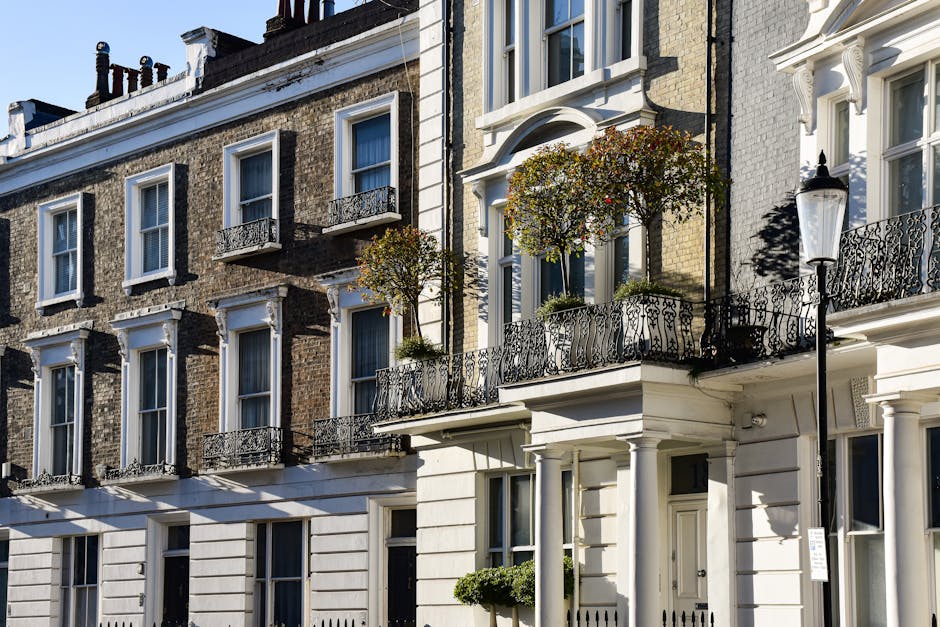
Period homes in Marylebone are often beautiful, but they are not built like modern boxes. You may be dealing with original timber floors that mark easily, lime plaster that chips if bumped, narrow staircases, high skirting boards, fragile architraves, and doorways that seem designed in a different century because, well, they were.
Damage during removals is not just about obvious breakages. It can also mean scuffed walls, crushed carpet edges, dents in banisters, chipped marble, scratched brass fixtures, or a cracked tile that looked fine until someone dragged a wardrobe past it. These issues are small in the moment and annoying later. Very annoying, to be fair.
There is also the human side. Many period homes are lived in by owners or tenants who care deeply about preserving original features. That means the emotional cost of damage can be higher than in a newer property. A scratch on a fresh white wall is one thing. A chip on a hand-painted panel or a mark on old oak flooring can feel like a proper gut punch.
From a practical perspective, avoiding damage also reduces delays. If a mover has to stop and re-route furniture because a staircase is too tight or a door needs extra protection, the whole day slows down. In London, where parking windows, building access and neighbour considerations already squeeze the schedule, even one avoidable setback can ripple through the rest of the move.
Expert summary: In period Marylebone properties, damage prevention is mostly about three things: measuring properly, protecting contact points, and moving in the right order. Get those three right and you remove most of the risk before it starts.
How Avoiding damage in period Marylebone homes during removals Works
The process starts long before anyone picks up a box. Good removals in a period home rely on a simple chain: assess, protect, move, and check again. Each step matters because these properties tend to have tight turns, uneven flooring, and features that cannot take rough handling.
1. Assess the property properly
Walk through every route a sofa, bed frame, table, or wardrobe will need to take. Look at the front door, shared hallways, lifts, staircases, landings, and any internal pinch points. In many Marylebone flats and terraces, the problem is not the furniture itself. It is the angle required to get it through the home.
This is where measurements become more than a formality. You need to know the width and height of doorways, stair turns, corridor clearances, and the dimensions of any large item. Do not guess. Guessing has a habit of becoming a chipped wall at the worst possible moment.
2. Protect the touchpoints
Once the route is clear, protect the places furniture is most likely to touch. That usually means floor coverings, corner guards, stair protection, door frame padding, and breathable wraps for delicate surfaces. In a period property, the contact points are often the most vulnerable bits: painted plaster corners, old timber rails, and original flooring.
Protection should be fitted neatly. Loose coverings can slip, and badly placed tape can damage finishes. The goal is to create a soft barrier without adding more risk. That sounds obvious, but in busy removals people sometimes over-tape everything and then spend 20 minutes peeling it off later. Not ideal.
3. Move in the right sequence
Sequence matters. Heavier or awkward items should usually be moved after smaller obstacles are cleared away, and before the home becomes cluttered with loose bags and packing paper. Rooms need to be emptied in a way that keeps paths open. You want clear lines of movement, not a maze of half-packed boxes and coat hangers.
If you are using a professional team, they should manage the loading order so fragile or high-value items are packed and placed safely in the vehicle. That is where proper packing materials and boxes really earn their keep. A strong carton is not glamorous, but it is often the difference between a safe move and a bent corner.
4. Check as you go
Careful movers do not wait until the end of the day to spot damage. They keep checking floors, corners, and hand contact points during the move. If a piece is too awkward, they stop and adjust. A pause is cheaper than a repair.
That is especially true in period homes where old finishes can show marks immediately. A quick inspection between trips can catch a problem while it is still small. A little fuss now saves a lot later.
Key Benefits and Practical Advantages
Keeping a period Marylebone home protected during removals is not just about being careful for the sake of it. There are real benefits, and some of them are easy to miss until you compare a well-managed move with a rushed one.
- Lower repair risk: Fewer scuffs, scrapes, chips, and dents on walls, floors, and joinery.
- Faster completion: When access routes are protected and planned, the move usually runs more smoothly.
- Better preservation of original features: This matters a lot in homes with sash windows, ornate mouldings, old flooring, or decorative fireplaces.
- Less stress on moving day: A calm plan reduces panic when a wardrobe looks too wide for the staircase.
- Better outcome for landlords, buyers, and sellers: A clean handover helps avoid disputes and awkward after-the-fact conversations.
- Improved safety: Protection measures also reduce slips, trips, and strain injuries for the people doing the lifting.
There is also a quieter advantage: confidence. When you know the route has been measured and the right protection is in place, you stop second-guessing every corner. That changes the whole feel of the day.
If you want more support beyond packing, some homeowners prefer a complete service through home moves, while others only need help with heavier items or awkward access. Either way, the principle is the same: plan for the property you actually have, not the one you wish you had.
Who This Is For and When It Makes Sense
This approach is useful for anyone moving out of, or into, a period property in Marylebone. But some people need it more than others.
Homeowners in period flats and terraces
If you own a home with original features, you probably already know that these finishes are part of the property's value. Protecting them during removals is simply sensible. A tiny mark on a new-build wall is one thing. A dent in an original bannister is another.
Renters and tenants
If you are a tenant, avoiding damage is about protecting your deposit as much as your peace of mind. Landlords and letting agents can be very particular about older properties, especially when the home has a few visible character features. Quite reasonably, really.
People moving larger or fragile items
Grandfather clocks, mirrors, marble tables, antique cabinets, and pianos need special handling. If you are moving one of those, it is worth looking at specialist support such as piano removals or furniture removals depending on the item. The right team matters more than people sometimes realise.
Families with limited time
When you are moving with children, work deadlines, or a hard handover deadline, you do not have much room for trial and error. A structured damage-prevention plan helps avoid last-minute decisions that usually go wrong.
People using smaller access routes
Many Marylebone homes sit on streets or in buildings where access is awkward, parking is tight, and stairwells are narrow. In these situations, a compact vehicle or a man and van arrangement can sometimes make more sense than a large truck, especially if the load is modest and the access is tricky.
When the move is a bit bigger, though, larger load capacity may be the better call. It depends on the property, the volume, and the access. No one-size-fits-all magic trick here.
Step-by-Step Guidance
If you want a practical route through the process, use this sequence. It is not fancy, but it works.
- Survey the home room by room. Note fragile finishes, tight doorways, uneven flooring, and any original features that need protecting.
- Measure bulky items. Check sofas, wardrobes, beds, bookcases, mirrors, and appliances against the narrowest points on the route.
- Clear the moving path. Remove loose rugs, small furniture, trailing cables, and clutter that could trip people up.
- Pack delicate items carefully. Use robust cartons, wrapping paper, mattress covers, and blankets where suitable.
- Protect floors and doorframes. Focus on thresholds, corners, stair edges, and landing points.
- Disassemble when it helps. Take apart oversized furniture if it genuinely makes access safer. Do not force a fitted item through a tight stairwell because you are in a hurry.
- Label and group boxes sensibly. Heavy items go in smaller boxes. Fragile items should be clearly marked and separated.
- Load in a controlled order. Start with the items that are easiest to move and least likely to be damaged by stack pressure.
- Do a final walkthrough. Check walls, floors, railings, and doorways for marks or snag points before leaving.
- Record anything that matters. If you are renting, note any pre-existing wear and take your own photos. That way, everyone is on the same page later.
A good move in a period house rarely looks dramatic. It looks calm. A bit quiet. Everyone knows what is happening next. That is the point.
If the move is happening on a tight schedule or you are dealing with a same-day handover, a service like same-day removals can help, but only if the route, access, and packing are organised properly first. Speed without preparation is how things get messy.
Expert Tips for Better Results
These are the small details that often make the biggest difference in older Marylebone homes.
Use soft protection where surfaces are delicate
Original plaster and painted finishes can mark under pressure. Use padding that spreads impact rather than hard materials that can press into the surface. The same idea applies to polished wood: you want cushioning, not abrasion.
Think about vertical clearance, not just width
People often measure a hallway and think they are fine. Then a wardrobe catches on a stair bend or light fitting. Check height, angle, and turning space. It sounds basic, but this is where a lot of preventable damage begins.
Protect the floor before the first item moves
Once heavy items start shifting, grit and movement can quickly cause scuffs. Even a tiny stone under a trolley wheel can leave a mark on timber. One of those annoying little details that somehow matters a lot.
Keep tools and boxes away from walls
It is easy to lean a box against a painted wall while taking a break. Then someone nudges it, and there is a scrape. Keep staging areas well clear of fragile surfaces.
Use the right number of people
Trying to move something big with too few hands often leads to twisting, dragging, and bad angles. That is when damage happens. Better to have the right support than to play hero for ten seconds and regret it for ten days.
Choose the right vehicle size
Too small, and you end up making extra trips. Too large, and access gets awkward. For some moves, a smaller van is easier to place near the property, especially where street access is constrained. For others, a moving truck is the better option because it reduces loading cycles and keeps items secure in transit.
If you are unsure, it helps to speak with movers who understand London access conditions and the realities of period buildings. The right recommendation is usually specific, not generic.
Common Mistakes to Avoid
Most damage in period removals comes from predictable mistakes. The good news? Predictable mistakes can be prevented.
- Skipping measurements: "It should fit" is not a plan.
- Dragging furniture instead of lifting or gliding it safely: This can destroy floors in seconds.
- Using weak packing materials: Old boxes collapse. Reused tape lets go. It all goes wrong at once.
- Leaving floors unprotected: Especially on stair corners and entryways.
- Forcing items through tight turns: If it resists, stop and rethink the route.
- Overloading boxes: A heavy box is harder to carry and more likely to drop.
- Ignoring shared areas: Communal hallways and stairwells are often where the first scuff appears.
- Rushing at the end: Final exits are where care tends to slip. Everyone wants to be done, naturally, but that is not the moment to get sloppy.
One of the easiest mistakes to make is assuming a minor mark will not matter. In a period property, it often does matter. Sometimes a lot.
Tools, Resources and Recommendations
You do not need a warehouse full of equipment, but a few well-chosen items make a move far safer.
- Sturdy boxes: Essential for stacking, carrying, and protecting contents.
- Packing paper and wraps: Good for plates, ornaments, and loose items that chip easily.
- Furniture blankets: Helpful for tables, wardrobes, and other hard surfaces.
- Floor protection: Useful on timber, carpet, and entry points.
- Door and corner guards: Especially important where staircases and corridors are tight.
- Mattress and sofa covers: Keep fabric clean and reduce snagging.
- Tape and labels: Keep everything organised without turning each box into an art project.
- Tools for disassembly: Hex keys, screwdrivers, small bags for fittings, and a bit of patience.
Some readers also ask whether storage is worth considering if access timing is awkward. Sometimes yes. If you need to move out before the new place is ready, or if the volume is too large for one day, storage can reduce pressure and let you move the fragile stuff in a safer sequence.
If you are comparing support levels, the more all-in service route may be useful. For example, packing and unpacking services can save time and reduce the chance of a rushed packing job, which is often where damage starts in the first place.
Law, Compliance, Standards, and Best Practice
Without turning this into a legal lecture, there are a few practical standards and norms worth keeping in mind.
First, movers and property occupiers should act with reasonable care. That sounds simple because it is. If someone is carrying heavy items through a shared building or a protected period interior, the expectation is that they take sensible precautions to avoid injury and property damage.
Second, good practice in the UK usually means proper risk awareness, clear communication, and suitable handling methods. In a building with shared access, that often includes protecting common areas, keeping routes clear, and respecting the building's rules on loading, parking, lifts, and entry times.
Third, if you are using a removals company, it is sensible to understand what is covered under their insurance and how claims or damage concerns are handled. A trustworthy provider should be able to explain this plainly. You can also review insurance and safety information before move day, which is a wise habit rather than a pessimistic one.
For customers who want to understand company policies, pages such as health and safety policy and terms and conditions can help set expectations. It is boring paperwork, yes, but boring paperwork can save a headache later.
If you are moving from or into a block with shared access, remember that neighbours and managing agents often expect a tidy, quiet, and controlled process. That is not just polite; it keeps the move moving.
Options and Method Comparison
Different removal methods suit different period homes. Here is a simple comparison to help you decide.
| Method | Best for | Strengths | Trade-offs |
|---|---|---|---|
| Full removals service | Larger homes, fragile interiors, busy schedules | More hands, better coordination, less stress | Usually the most comprehensive option |
| Man and van | Smaller loads, limited access, shorter moves | Flexible, often easier on tight streets | May not suit very large or fragile moves alone |
| Packing only | People who want to handle transport themselves | Reduces packing errors, saves time | Still need to manage loading and access |
| Storage first | Moves with timing gaps or renovation overlap | Reduces rush, helps stage the move safely | Adds an extra step and planning requirement |
There is no single best option for every Marylebone property. A small flat with difficult stairs might need a compact setup. A larger townhouse with antique furniture may need a more coordinated approach. The right answer depends on the space, the items, and how much risk you want to remove from the day.
Case Study or Real-World Example
Imagine a couple moving out of a Victorian conversion near a busy Marylebone street. The hallway is narrow, the staircase turns sharply halfway up, and the living room has original wood flooring with a few older marks already visible. They also have a tall bookcase, a glass coffee table, and a dining table that does not like tight corners.
Instead of starting with the biggest items, they measure the route first. They protect the stair treads, place covers on the doorframes, and clear the hallway of shoes, umbrellas, and random bits of everyday life that seem to multiply near the front door. The bookcase is emptied before it is moved, which makes it lighter and much safer to handle. The coffee table is wrapped properly, not just thrown under a blanket and hoped for.
During the move, one awkward turn on the landing nearly becomes a problem. The team stops, changes angle, and uses a second pair of hands. Slight delay, yes. But no damage. No scuffed wall. No panic. Just a quiet adjustment and a better outcome.
That is what good removals in period homes look like most of the time. Not dramatic. Not flashy. Just careful, methodical, and a little bit patient.
Practical Checklist
Use this checklist the day before and again on moving morning.
- Measure all major furniture and compare it with the tightest access points.
- Protect floors, corners, and doorframes before moving begins.
- Remove loose rugs, cables, and clutter from the route.
- Wrap delicate or high-value items individually.
- Disassemble oversized furniture where possible and practical.
- Label fragile boxes clearly.
- Keep tools, tape, and spare padding within easy reach.
- Check shared hallways and lifts for any building rules or time restrictions.
- Take photos of existing wear if you are renting.
- Inspect the property after the last item leaves.
Quick takeaway: if the route is measured, the touchpoints are protected, and the team moves in a sensible order, you drastically reduce the chance of damage. Simple, really. Not easy, but simple.
If you are still deciding what level of help you need, reviewing removal services and pricing and quotes can help you match the method to the property. That way you are not paying for more than you need, and you are not under-briefing the move either.
Conclusion
Avoiding damage in period Marylebone homes during removals is really about respect: respect for the property, for the people moving, and for the fact that older buildings have their own rules. They are beautiful because they are not standardised. That is also why they need a more thoughtful move.
Measure carefully. Protect early. Move deliberately. And if the job looks awkward, pause and rethink rather than forcing it through. That small bit of discipline is what keeps original features intact and avoids the kind of repair work nobody wants to deal with after moving day.
For many households, the best next step is to speak with experienced movers who understand period access, fragile finishes, and London logistics. If you want a calmer move and a better chance of everything arriving as it should, that conversation is worth having.
Get a free quote today and see how much you can save.
Frequently Asked Questions
How do you avoid scratching original floors in a period Marylebone home?
Use proper floor protection before anything heavy moves, keep shoes and debris off the route, and avoid dragging items. Even small grit can mark timber, so the floor should be protected from the start, not halfway through.
What is the biggest risk during removals in period properties?
Narrow staircases and awkward corners are usually the biggest risk because they force furniture into tight angles. That is where walls, bannisters, and doorframes get damaged if the move is rushed.
Should I disassemble furniture before moving out of a period home?
Usually, yes, if it makes the item safer to carry and fits the piece's construction. Large wardrobes, bed frames, and tables often move more safely in parts. Just keep fittings together and label them properly.
Is a man and van service enough for a period flat in Marylebone?
Sometimes it is, especially for smaller loads or difficult access. But if you have bulky furniture, fragile antiques, or a lot of items, a more comprehensive service may be safer and more efficient.
How can I protect a rented period property so I do not lose my deposit?
Take photos of the property before the move, protect walls and floors, and keep shared areas clear. If anything is already worn, record it early. Clear evidence helps avoid disputes later.
Do I need specialist help for antiques or pianos?
Yes, in many cases. Heavy or delicate items deserve a specialist approach because standard handling is often not enough. Piano removals and careful furniture handling are worth considering when the item has real value or unusual weight.
What packing materials are best for fragile items in period homes?
Strong boxes, packing paper, wrapping material, and good cushioning are the basics. The aim is to stop movement inside the box and protect fragile edges, corners, and surfaces.
Can I use storage to make a period property move safer?
Yes. Storage can help if access is tight, completion dates do not line up, or you want to move the biggest items separately. It can reduce pressure and make the loading process calmer.
How far in advance should I plan a move from a period Marylebone home?
As early as you reasonably can. Even a small move benefits from measurements, packing time, and route checks. For older homes, a little extra lead time makes a big difference.
What should movers check before carrying furniture down a period staircase?
They should check stair width, turning space, ceiling height, rail clearance, and any fragile finishes nearby. A quick visual check is not enough if the staircase is tight or curved.
Do removals companies usually provide protection for walls and floors?
Many do, but the level of protection can vary. It is worth asking in advance what is included and whether extra protection is needed for a particularly delicate or valuable property.
What should I do if damage happens during the move?
Stop, document the issue clearly, and speak to the removals team as soon as possible. Keep photos and notes. If the move was insured, the company should be able to explain the next steps in a straightforward way.