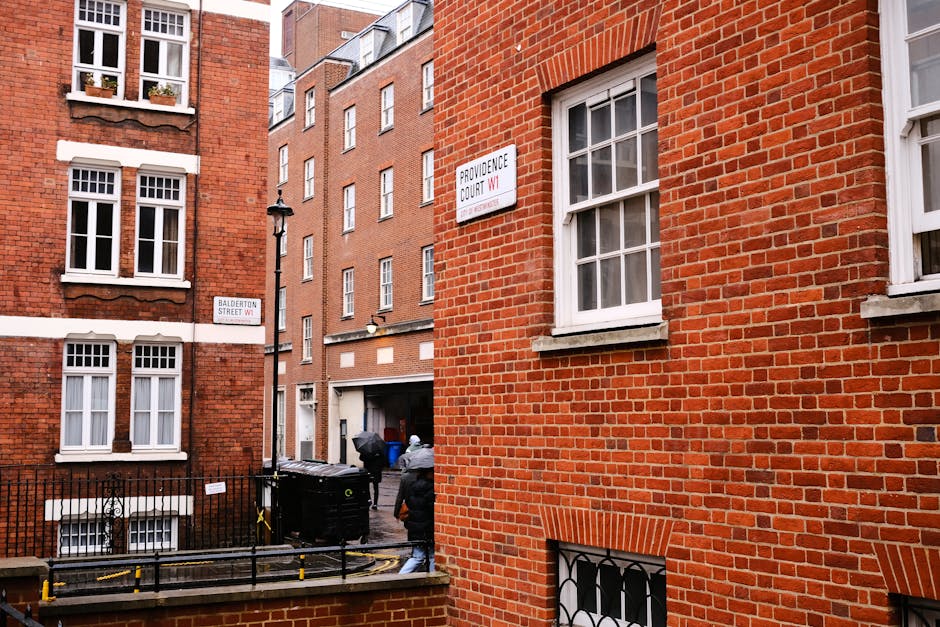
Baker Street Removals: Navigating narrow Marylebone roads
Moving around Baker Street in Marylebone is rarely about distance. It is about access. Narrow side streets, busy kerb space, tight corners, controlled parking, and the simple fact that a perfectly normal-looking van can suddenly feel very large when it meets a row of parked cars. That is why Baker Street removals need a different kind of planning from a standard suburban move.
If you are relocating a flat, moving family furniture, shifting office equipment, or arranging a same-day service, the practical challenge is the same: get the vehicle close enough, protect the property, and keep the move moving without upsetting neighbours, pedestrians, or your own schedule. This guide explains how Baker Street removals: navigating narrow Marylebone roads actually works in real life, what to expect, and how to choose the right approach for your move.
For readers comparing options across Marylebone, it can also help to look at broader service pages such as removal services in Marylebone, house removals in Marylebone, or more flexible support like man with van Marylebone depending on the size and complexity of the job.
Table of Contents
- Why Baker Street Removals: Navigating narrow Marylebone roads Matters
- How Baker Street Removals: Navigating narrow Marylebone roads Works
- Key Benefits and Practical Advantages
- Who This Is For and When It Makes Sense
- Step-by-Step Guidance
- Expert Tips for Better Results
- Common Mistakes to Avoid
- Tools, Resources and Recommendations
- Law, Compliance, Standards, or Best Practice
- Options, Methods, or Comparison Table
- Case Study or Real-World Example
- Practical Checklist
- Conclusion
- Frequently Asked Questions
Why Baker Street Removals: Navigating narrow Marylebone roads Matters
Baker Street sits in one of central London's most recognisable and densely used urban areas. Around Marylebone, the road layout is not forgiving. Streets can be narrow, loading windows can be tight, and everyday traffic does not pause because you are moving house. That combination changes everything about a removal job.
In practice, a move that would be straightforward elsewhere can become awkward if the van cannot park close to the entrance or if there is nowhere safe for trolleys, crates, or large furniture. A staircase may be manageable, but only if the team can get the item inside without holding up a footpath or blocking access for neighbours. When people search for local help, they are usually not just looking for transport; they are looking for a method that respects the street and the building.
This is especially relevant for flats above shops, period conversions, basement apartments, and professional homes with narrow internal hallways. It is also one reason why specialised pages such as flat removals Marylebone and furniture removals Marylebone matter so much. They address the access problem, not just the destination.
Expert summary: In Marylebone, moving well is usually about access planning first and lifting second. The best move is the one that is organised before the van arrives.
How Baker Street Removals: Navigating narrow Marylebone roads Works
A good Baker Street move starts long before moving day. The process usually begins with a site assessment or a detailed booking call. The aim is to understand the property, vehicle access, loading distance, and any awkward features such as low kerbs, steps, controlled parking bays, or narrow gates.
From there, the mover decides what kind of vehicle and crew size are sensible. A compact removal van Marylebone may be more practical than a larger truck if the street is tight. In some cases, the best option is a man and van Marylebone setup for smaller loads, or a more coordinated team for bulkier household contents and office equipment.
The key operational steps are usually the same:
- Check access to the property and the nearest safe stopping point.
- Plan parking or loading as close to the entrance as possible.
- Protect floors, walls, lifts, and door frames before moving items.
- Carry and load in a sequence that suits the building layout.
- Use the right handling equipment for bulky or fragile pieces.
- Unpack or place items only after the route is clear and safe.
That sounds simple. It rarely is. The difference between a smooth move and a stressful one is often a few well-timed decisions: whether to start early enough to avoid traffic, whether to split the load into shuttle runs, and whether to reserve storage for the pieces you do not yet need. If that last point is relevant, a local storage Marylebone option can reduce pressure considerably.
Key Benefits and Practical Advantages
The main benefit of planning removals around narrow Marylebone roads is simple: less friction. But there are several more practical gains that matter once you are in the middle of the move.
- Shorter carrying distances: When the vehicle is positioned correctly, fewer minutes are wasted walking heavy items up and down the street.
- Lower damage risk: Careful access planning reduces accidental knocks to furniture, railings, walls, and car mirrors.
- Better time control: A move that starts with clear access expectations is less likely to run over.
- Less disruption to neighbours: Efficient loading keeps pavements and entrances clear for as long as possible.
- Smarter vehicle choice: Not every job needs a large van. Sometimes a smaller vehicle is simply the better tool.
There is also a financial benefit that people sometimes overlook. A well-planned move may reduce the need for repeated trips, emergency labour, last-minute storage, or avoidable repair costs. If you are comparing providers, it is sensible to review pricing and quotes alongside the service scope, because the cheapest quote is not always the cheapest outcome.
And if you are comparing service styles, looking at a broader removal companies Marylebone page can help you judge whether a provider understands central London access rather than just general household transport.
Who This Is For and When It Makes Sense
This approach is useful for anyone moving in or around the Baker Street area, but it is especially relevant in a few common scenarios.
Flat movers in converted or period buildings
Many Marylebone homes sit in older buildings with narrow stairwells, shared entrances, or limited lift access. If you are moving in or out of a flat, a specialist service such as flat removals Marylebone is often the safest and most efficient choice.
Homeowners and tenants with bulky furniture
Large wardrobes, dining tables, beds, and sofas can be awkward even before you reach the pavement. For those items, a focused furniture removals approach can save time and protect the item from damage.
Businesses relocating offices nearby
Office moves in central London are often about timing as much as volume. Computers, desks, archive boxes, and meeting furniture need a route that avoids unnecessary downtime. That is where office removals Marylebone become relevant.
Students, renters, and same-day movers
Smaller moves can still be tricky when access is constrained. A compact vehicle and flexible scheduling can make student removals Marylebone or same-day removals Marylebone much easier to manage.
Put simply: if you are moving anywhere around Baker Street and think, "this street looks tight," you are probably right. Trust that instinct. It usually saves time later.
Step-by-Step Guidance
If you want the move to run smoothly, work through the job in the same order a good removal team would. It keeps the process calm and makes the access issues visible early.
- Measure the access path. Check the width of the street, the entrance, stair turns, lift dimensions, and any sharp corners inside the property.
- Identify loading restrictions. Note any parking controls, bays, yellow lines, visitor permits, or time-based loading rules.
- Sort items by difficulty. Large furniture, fragile pieces, and awkward shapes should be listed first so the move order is sensible.
- Pack strategically. Use the right boxes, labels, and protection materials. A strong packing and boxes Marylebone service can make this much easier.
- Choose the vehicle size carefully. A smaller van may take longer in multiple runs, but it may be far more practical on a narrow road.
- Arrange arrival timing. A quieter early window can be better than arriving later into heavier traffic.
- Protect the building. Floor coverings, corner protection, and sensible lifting technique reduce the risk of damage.
- Keep the route clear. Hallways, landings, and entrance areas should be clear before the team begins moving larger items.
A useful rule of thumb is this: if an item is awkward in your hallway, it will be more awkward on the pavement. Deal with the problem before it reaches the street.
Expert Tips for Better Results
Marylebone moves reward preparation. A few small adjustments can make the whole day feel less compressed.
1. Walk the route like a mover
Stand at the front door and look at the full path to the nearest sensible stopping point. You will often spot issues you missed from inside the flat. A narrow gate, a step, or a low wall can change the whole loading plan.
2. Use the right type of vehicle, not the biggest one
Bigger is not automatically better in Baker Street. If the road is narrow, a compact van may be the smarter choice because it can park more easily and reduce loading distance. For many local jobs, a man with van Marylebone arrangement offers the flexibility needed in central streets.
3. Keep fragile items grouped together
Do not bury the important items under random boxes. That sounds obvious, but the middle of a move can become mildly chaotic; even the best organised home occasionally discovers a toaster in a coat box.
4. Ask about insurance and handling practices
Good movers should be clear about how they protect items and what happens if something goes wrong. It is sensible to review insurance and safety before booking.
5. Decide early what is going into storage
If some items are not going straight into the new property, separate them before moving day. That keeps the unloading phase cleaner and avoids clutter in already tight hallways. If needed, a short-term storage Marylebone arrangement can make the rest of the job far more manageable.
One more point: if you are moving as part of a wider life change, such as a new tenancy, a new job, or a property purchase, it can be worth reading broader local guidance like is Marylebone a good fit for you? or the Marylebone property sales guide. These pages help put the move into context.
Common Mistakes to Avoid
Most problems on narrow London roads come from assumptions. The move seems simple until the van arrives and the route gets tighter than expected.
- Booking the wrong vehicle size: A van that is too large can create delays before the first box is even unloaded.
- Ignoring parking realities: If there is no practical place to stop, the team will spend valuable time circling or shuttling.
- Underestimating access time: The walk from van to doorway can matter more than the drive across London.
- Packing without a system: Randomly labelled boxes make unloading harder and slower.
- Leaving delicate items for last-minute decisions: Pianos, artwork, mirrors, and glass pieces need a plan, not improvisation.
- Forgetting building rules: Lift bookings, move-in windows, and concierge requirements can affect the whole schedule.
Another common error is assuming every removal company works the same way. In reality, central London jobs need a provider with the right local rhythm. If a company cannot explain how they handle access, loading, and parking, that is a useful warning sign.
For larger or special-item moves, it may also be worth comparing specialist services such as piano removals Marylebone or house removals Marylebone rather than assuming a general van is enough.
Tools, Resources and Recommendations
The right tools are not glamorous, but they matter. In narrow streets, simple equipment often saves the day.
| Tool or Resource | What It Helps With | Best Used For |
|---|---|---|
| Furniture blankets | Protecting surfaces and reducing scuffs | Sofas, tables, wardrobes |
| Moving dolly or trolley | Reducing strain and handling effort | Heavy boxes and appliances |
| Doorframe and floor protection | Preventing damage in tight passages | Flats, stairwells, lifts |
| Strong packing materials | Keeping contents secure in transit | Fragile and mixed household items |
| Clear labelling system | Making loading and unloading more organised | Any move with multiple rooms |
If you need a fuller picture of what a provider can offer, start with services overview and then match the job to the right service type. For people comparing flexible transport, man and a van Marylebone and man and van Marylebone can be useful starting points.
If you are trying to keep costs predictable, a proper quote process matters as much as the move itself. Review pricing and quotes, then ask whether the quotation assumes easy parking, stair access, or extra carrying distance. Those details change the real workload.
Law, Compliance, Standards, or Best Practice
Removal work in central London is not only a logistics issue; it also involves safe working practices, considerate street use, and respect for building and transport rules. Specific requirements can vary depending on the borough, the property, and the type of access involved, so movers and customers should check the relevant local arrangements rather than assuming a one-size-fits-all approach.
At a practical level, best practice usually includes:
- loading and unloading in a way that minimises obstruction;
- using safe lifting techniques and suitable equipment;
- protecting communal areas and private property;
- confirming parking and access arrangements in advance;
- keeping communication clear with residents, building staff, or concierge teams;
- being honest about limits, such as vehicle size or item weight.
Trustworthy providers should be able to explain their approach to health and safety policy, terms and conditions, and accessibility support where relevant. If you are concerned about ethical standards in the supply chain, it is reasonable to review a company's modern slavery statement and wider company information such as about us.
For customers, the key is straightforward: choose a mover who is clear, prepared, and realistic. If they sound vague about access, that vagueness is likely to show up on moving day too.
Options, Methods, or Comparison Table
Not every move around Baker Street needs the same approach. The right method depends on volume, access, timing, and how much handling help you need.
| Method | Best For | Strengths | Trade-Offs |
|---|---|---|---|
| Man and van | Small to medium moves, flexible jobs | Agile, often easier on narrow roads | Less suited to very large households |
| Removal van | Moderate loads with planned access | Better capacity, still practical in central streets | Parking and manoeuvring need planning |
| Full house removals | Large properties and multi-room moves | Most comprehensive support | More coordination needed in tight roads |
| Same-day service | Urgent or time-sensitive moves | Speed and convenience | Availability can be limited, especially locally |
| Storage-first move | Staggered move-ins or renovations | Reduces pressure on access and timing | Extra handling and storage coordination |
For many Baker Street jobs, the best answer is not a single service but a combination. For example, a flat move might start with a compact vehicle, use storage for overflow, and then finish with a second delivery once access is clearer. That kind of sequencing is often more realistic than trying to force everything into one busy window.
Case Study or Real-World Example
Consider a typical Marylebone flat move: a two-bedroom apartment near Baker Street with a narrow entrance, a shared stairwell, and limited kerb space outside. The client has a sofa, bed frames, several bookcases, boxes of kitchenware, and a couple of delicate mirrors.
A rushed approach would send in a large van, hope for a parking space, and begin carrying without much route planning. The smarter approach is different.
First, the mover checks the street and decides that a smaller, more manoeuvrable vehicle is the better fit. Second, the team agrees on the loading order: mirrors and framed items first, bulky furniture second, boxes last. Third, the entrance and stairwell are protected before the first item moves. Finally, the load is staged so the van can leave and return quickly if needed, rather than blocking the road while the team works out what goes where.
The result is not dramatic. That is the point. The move is calmer, quieter, and more predictable. No one is panicking at the doorway, nobody is stuck with a sofa half in the street, and the client can keep track of the process without feeling like the day has become a puzzle. In central London, boring is often beautiful.
Practical Checklist
Use this checklist before move day. It is short on purpose.
- Confirm the full address, entrance, and any building instructions.
- Measure stairwells, lifts, and key doorways.
- Check parking, waiting, and loading restrictions near Baker Street.
- Decide whether a small van, removal van, or full removal team is most suitable.
- Separate fragile, valuable, and oversized items early.
- Book packing supplies or professional packing help if needed.
- Arrange storage for items that will not go straight into the property.
- Share access notes with the mover before the booking is finalised.
- Keep keys, labels, documents, and essentials in one easy-to-reach place.
- Review the company's safety, payment, and terms information before confirming.
If you want help aligning the job with the right support, the most practical next step is usually to compare removals Marylebone options and then narrow it down to the service that best matches your route, load, and timescale.
Conclusion
Baker Street removals are rarely difficult because of the distance involved. They are difficult because Marylebone roads demand careful thinking. Narrow streets, central-London traffic, restricted stopping space, and older buildings all make access the real priority.
Once you treat access as part of the move rather than an afterthought, the whole process becomes much more manageable. Choose the right vehicle, plan the route, protect the property, and make sure the service fits the reality of the street. That is how you avoid the usual stress points and keep the day on track.
If you are comparing providers or trying to decide which level of support you need, use this guide to frame the questions you ask. A good mover should be able to answer them clearly, calmly, and without hand-waving.
Get a free quote today and see how much you can save.
Frequently Asked Questions
Can a removal van access Baker Street and the surrounding Marylebone roads?
Often yes, but access depends on the exact street, time of day, parking conditions, and building layout. A smaller or more manoeuvrable vehicle is sometimes the better choice on tighter roads.
What is the best type of removal service for a flat near Baker Street?
For many flats, a flat removals Marylebone service is the most practical option because it is designed for stairs, shared entrances, and limited loading space.
Do I need to arrange parking before moving day?
You should always check parking and loading rules in advance. In central Marylebone, a parking mistake can create delays even if the rest of the move is well planned.
Is a man and van service enough for a Baker Street move?
Sometimes. It depends on the volume of items and how awkward the access is. A man with van Marylebone or man and a van Marylebone setup can work well for smaller, flexible moves.
How do I move large furniture through narrow hallways?
Measure everything first, protect the route, and use the correct lifting method and equipment. If the item is very bulky, a specialist furniture removals Marylebone service is usually safer.
Are same-day removals realistic in Marylebone?
They can be, especially for smaller loads or urgent situations. However, availability, parking access, and timing all matter, so same-day removals Marylebone should be checked as early as possible.
What should I ask a removal company before booking?
Ask about vehicle size, access planning, insurance, parking assumptions, packing support, and whether they have experience with central London streets. Their answers will tell you a lot about how prepared they are.
How can I reduce the risk of damage during the move?
Use proper packing, protect walls and floors, label delicate items, and make sure the team understands the route before loading starts. Good planning matters as much as lifting skill.
Should I use storage during a move near Baker Street?
If your move-in date is uncertain, or if some items will not fit immediately, storage can make the process far easier. A local storage Marylebone option is often worth considering.
What is the difference between removal companies and a smaller van service?
Larger removal companies may offer more equipment, more staff, and broader handling support. Smaller van services can be more flexible and cost-effective for compact loads. The right choice depends on access, volume, and how much help you need.
How do I know if my move needs specialist support?
If you have unusually large items, difficult stairs, limited parking, or a time-sensitive move, specialist support is probably a better fit. For example, office moves, pianos, and full household relocations often need more than a basic transport solution.
Where can I find more information about services, safety, and company policies?
It helps to review the provider's services overview, health and safety policy, insurance and safety, and about us pages before booking.